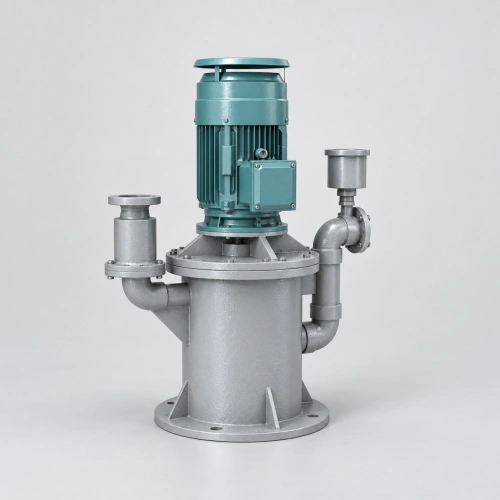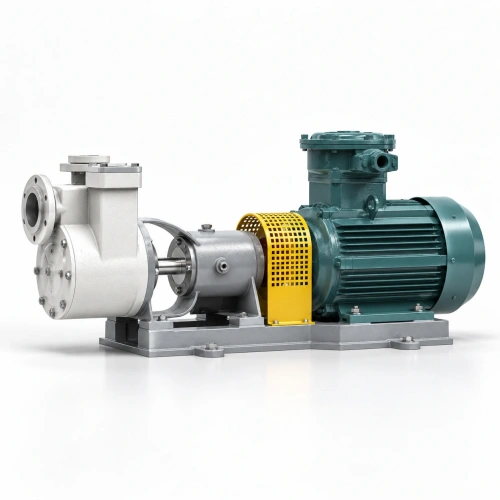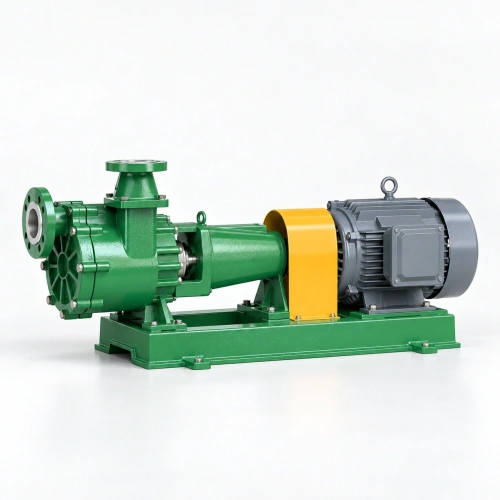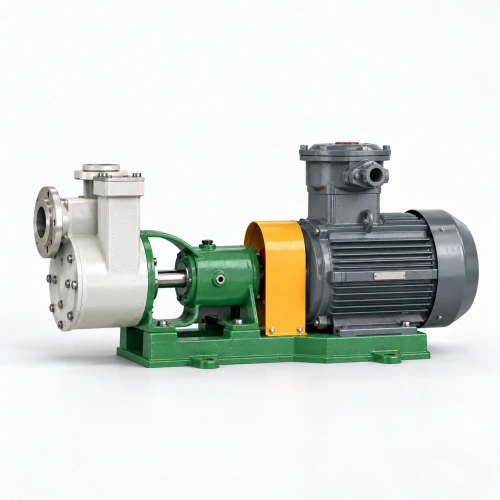
Plastic Self Priming Pump
Self-Priming Pump for Flexible Installation
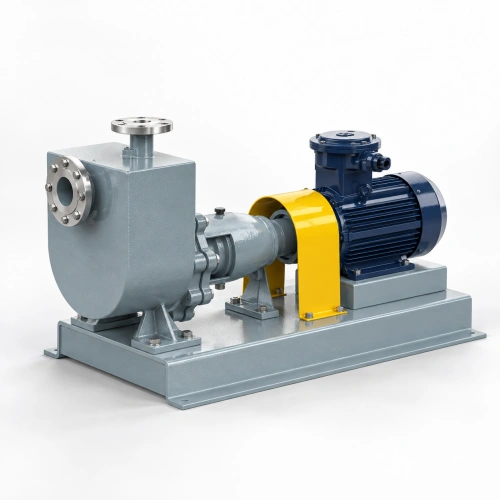
The Plastic Self Priming Pump is a self-priming pump designed for flexible installation without foot valves, ideal for chemical transfer, mobile applications, and underground tank emptying. It features stable priming performance and easy maintenance.
Product Specifications
| Flow Rate | 1 - 40 m³/h |
|---|---|
| Head | 10 - 40 m |
| Power | 0.75 - 11 kW |
| Speed | 1450 / 2900 rpm |
| Casing Material | Reinforced Polypropylene (PP) |
| Impeller Material | Reinforced PP |
| Self Priming Height | 3 - 5 m |
| Max Temperature | 80 °C |
| Max Pressure | 0.5 MPa |
| Seal Type | Mechanical Seal |
| Standard | Industrial Standard |
Product Description
The Plastic Self Priming Pump is a lightweight, corrosion-resistant self-priming pump constructed from reinforced polypropylene (PP) for mild chemical and industrial applications. Its self-priming design allows installation above fluid level without foot valves, while the non-metallic construction resists corrosion from acids, alkalis, and cleaning solutions. The pump handles flow rates from 1 to 40 m³/h at heads to 40 m and temperatures to 80°C. Suitable for chemical transfer, water treatment, and general industrial fluid handling.
Applications
- Mild acid and alkali transfer
- Water treatment chemicals
- Electroplating solutions
- Swimming pool chemicals
- Cleaning solutions
- Industrial wastewater
Quality Assurance
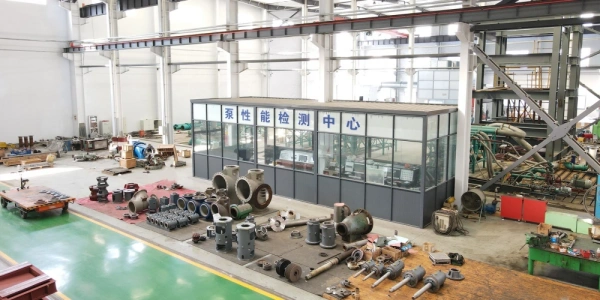
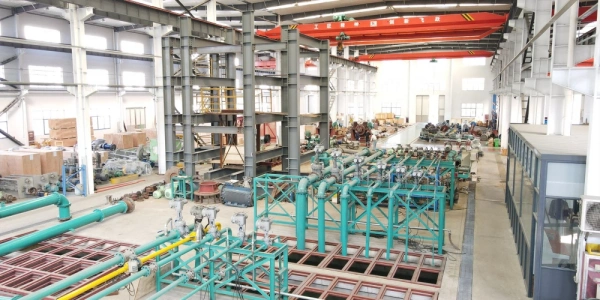
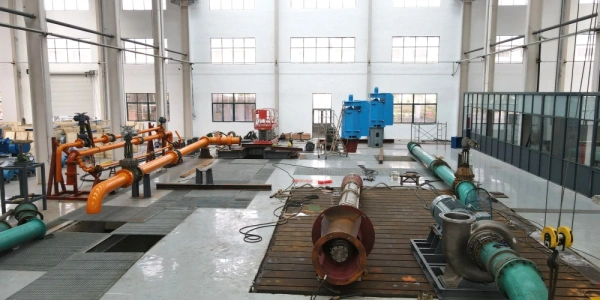
All Plastic Self Priming Pumps are manufactured under ISO 9001 quality management system. Each pump undergoes rigorous testing including hydrostatic pressure test, performance test, NDT inspection, and dynamic balance verification before shipment. We provide comprehensive documentation including test reports, material certificates, and operation manuals.
Why Choose Our Self Priming Pumps
Plastic Self Priming
Polypropylene (PP) or PVDF plastic self-priming pump for corrosive chemical transfer, offering excellent chemical resistance at economical cost.
PP/PVDF Construction
Solid plastic wetted parts handle broad range of acids, alkalis, and salts, with PVDF option for higher temperature and solvent resistance.
Lightweight Portable
All-plastic construction reduces weight, making pump easy to move between tanks and locations for batch chemical transfer.
Economical Solution
Lower initial cost compared to stainless or fluoroplastic lined pumps, suitable for non-critical corrosive transfer services.
Key Features
Frequently Asked Questions
What materials are plastic self-priming pumps made of?
What temperature can plastic self-priming pumps handle?
Are plastic pumps suitable for outdoor installation?
What is the pressure limit for plastic self-priming pumps?
Selection Guide
✅ When to Choose This Pump
- Portable chemical transfer and drum emptying
- Applications with frequent suction line changes
- Above-ground tanks with suction lift needed
- Temporary or mobile pumping stations
⚠️ When NOT to Choose
- Continuous 24/7 critical service
- High-pressure requirements above 60m
- Very low NPSH hot fluid service
- Highly abrasive slurries
💡 Common Selection Mistakes
- Not maintaining priming fluid level
- Using with suction lift exceeding 8m
- Ignoring check valve in discharge line
- Running dry for extended periods
Still unsure? Use our Pump Selection Center → or talk to our engineers →
Interested in this product?
Contact our sales team for pricing, lead time, and technical support.
Send Inquiry Now